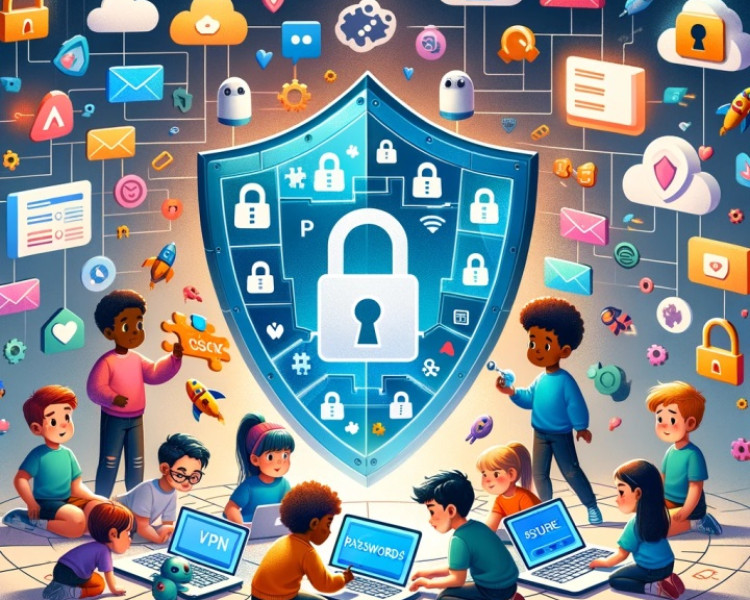

Cybersecurity for Kids
Teaching cybersecurity to kids is crucial in today’s digital age where they interact with various online platforms. The goal is to empower them with the knowledge and skills needed to navigate the online world safely. Here are key aspects of cybersecurity for kids:
1. Online Safety Basics:
• Personal Information: Teach kids to avoid sharing personal information like full names, addresses, phone numbers, and school names online.
• Stranger Danger: Emphasize the importance of not interacting with strangers online and the potential risks associated with it.
2. Passwords and Authentication:
• Strong Passwords: Encourage the use of strong and unique passwords. Teach them the importance of a combination of letters, numbers, and symbols.
• Sharing Passwords: Stress the importance of never sharing passwords, even with friends.
3. Recognizing Phishing Attempts:
• Emails and Messages: Teach kids to be cautious about clicking on links or downloading attachments in emails or messages from unknown sources.
• Verification: Instruct them to verify the authenticity of messages with a trusted adult before taking any action.
4. Safe Browsing Habits:
• Websites and Links: Guide kids on how to identify secure websites (HTTPS) and avoid clicking on suspicious links.
• Pop-ups: Teach them to avoid clicking on pop-up ads and how to close them safely.
5. Social Media Awareness:
• Privacy Settings: Show kids how to adjust privacy settings on social media platforms to control who can see their information.
• Think Before Posting: Encourage thoughtful posting, making them aware that what goes online stays online.
6. Gaming and Online Interactions:
• Chat Safety: Discuss the risks associated with online chats in games and how to handle interactions with other players.
• Reporting Features: Teach them how to use reporting features to notify adults or platform administrators about inappropriate behavior.
7. Cyberbullying Awareness:
• Recognizing Bullying: Help kids understand what constitutes cyberbullying and how to recognize it.
• Reporting: Encourage open communication and let them know they can report any bullying incidents to a trusted adult.
8. Device Security:
• Updates: Stress the importance of keeping devices and apps updated to ensure the latest security patches are in place.
• Antivirus Software: Discuss the role of antivirus software in protecting devices from malware.
9. Educational Games and Resources:
• Interactive Learning: Introduce educational games and online resources that teach cybersecurity concepts in a fun and engaging way.
• Online Courses: Explore age-appropriate online courses designed to enhance their digital literacy and cybersecurity awareness.
10. Open Communication:
• Encourage Questions: Foster an environment where kids feel comfortable asking questions or expressing concerns about their online experiences.
• Regular Check-Ins: Have regular conversations about their online activities and experiences.
11. Digital Citizenship:
• Respectful Behavior: Teach kids about being respectful and kind online, treating others as they would in person.
• Critical Thinking: Instill critical thinking skills, helping the• m evaluate information and be discerning online consumers.
12. Role Modeling:
• Lead by Example: Be a positive role model by practicing good cybersecurity habits yourself.
• Shared Activities: Engage in online activities together, providing guidance and supervision when needed.
By instilling these cybersecurity principles from an early age, kids can develop good habits that will serve them well as they navigate the digital landscape. Ongoing conversations and education about cybersecurity help create a safer online environment for children.